


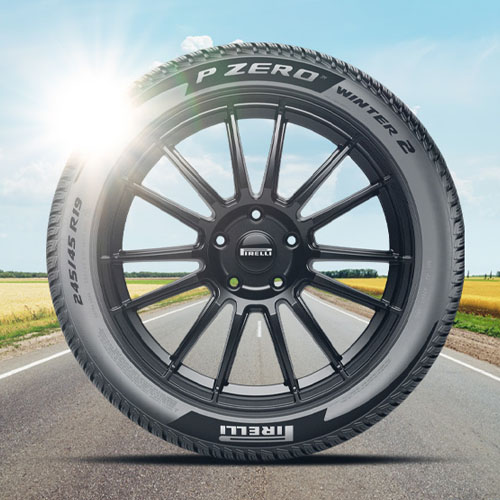
For many people, choosing summer tyres feels like a hassle. The numbers seem confusing, the selection is too wide, and every seller recommends something different. In reality, you can make a good choice even without knowing technical terms — the key is to understand a few very simple things.
This guide will help you choose safe, quiet, and durable summer tyres that suit your car and your driving style.
If you ask a tyre seller, “What is the best tyre?”, the honest answer is: “It depends on how you drive.”
Do you drive 5–15 km a day in the city?
→ You need tyres that are comfortable, economical, and long-lasting.
Do you often drive long distances on highways?
→ Stability at high speeds and good wet grip are especially important.
Do you live in an area where the roads are in poor condition?
→ Choose a tyre with a stronger sidewall that can better handle impacts and potholes.
If you know how and where you drive, half the decision is already made.
Before comparing any features or price categories, you need to know the correct tyre size. For example: 205/55 R16
What do these numbers mean?
205 – tyre width in millimetres
55 – aspect ratio as a percentage of the width
R16 – wheel diameter in inches
91V – load and speed index (how heavy the vehicle can be and the maximum permitted speed)
Finding the correct size is actually simple. You have four options:
1) Check the sidewall of your current tyre – the quickest way. Just walk around the car and read the size directly from the tyre.
2) Check the door pillar or inside the fuel flap – on most cars, the manufacturer’s recommended sizes are shown on a small sticker inside the driver’s door or inside the fuel flap.
3) Check the vehicle manual – the manual lists all approved tyre sizes and load indexes.
4) Check the official vehicle register – enter your number plate or VIN code on the relevant transport authority website to see exactly which sizes are approved for your vehicle.
In Estonia, the main problem in summer is not heat — it is rain. Aquaplaning and poor grip on wet roads are the biggest risks.
The EU tyre label shows wet grip with letters from A to E:
A – shortest stopping distance
B – very good and sufficient in most cases
C – usable if you drive less
D / E – generally best avoided
If you choose based on just one feature, choose wet grip.
If you drive a lot on the highway or simply want a quieter ride, look at the tyre’s noise level (dB).
A quieter tyre means:
The difference between two tyres can be 6–8 dB, which in real life can feel up to twice as quiet.
Rolling resistance affects fuel consumption. If it is low, the car uses less fuel. For summer tyres, a sensible choice is A–C class.
But if you do not drive much, this is not the most important factor.
Premium – if you want the best
Michelin • Continental • Bridgestone
Suitable for those who drive a lot or want maximum safety.
Mid-range – the most sensible choice
Yokohama • BF Goodrich • Falken
Budget – if price matters most
Sailun • Triangle • Lassa
Downside: in the rain, grip is not as good as with more expensive tyres.
On average, 3–5 years, depending on:
If the tread depth is below 3 mm, it is time to buy new tyres — especially for a rainy summer.
Online stores usually offer a wider selection, better prices, and a more convenient search process.
In the BEIZ online store you will find:
over 10,000 tyre models
summer tyres for every passenger car, SUV, and van
filters by size, brand, and tyre features
fast delivery in 1–2 working days
secure payments and easy ordering
The best summer tyre = the right size + good grip + your driving style
When these three things are in place, you will definitely find a tyre that is:
Enter your tyre size, choose the right tyres, and order quickly and conveniently — BEIZ tyre search.


